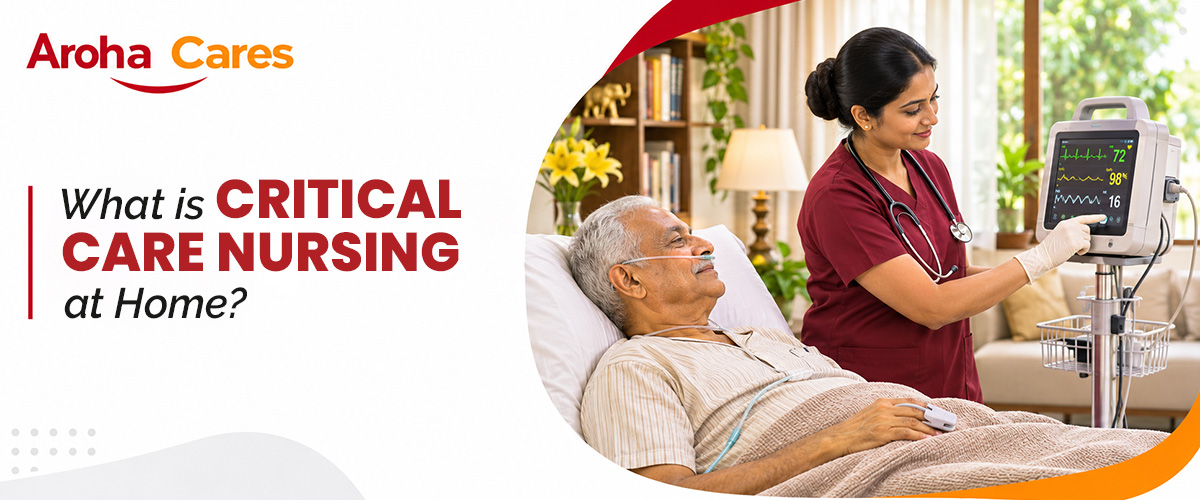
What Is Critical Care Nursing at Home?
Some patients need close medical support even after leaving the hospital. They may be recovering from a serious illness, surgery, stroke, infection or a long hospital stay.
In such cases, critical care nursing at home can help patients receive skilled support in a familiar place.
Critical care at home is not the same as basic daily care. It may include health checks, medicine support, feeding support, wound care, oxygen care and watching for warning signs. It can also give families more confidence because a trained professional is present to guide daily care and notice important changes.
Understand Critical Care Nursing at Home
Critical care nursing at home means giving trained nursing support to a patient who needs close medical attention but can safely receive that care outside a hospital.
A trained nurse may check blood pressure, pulse, oxygen level, temperature and breathing. The nurse may also support medicines, tubes, wounds or medical equipment when these are part of the care plan.
Critical care at home should always follow medical instructions. The nurse helps follow the treatment plan and reports important changes. This kind of care can also help keep the patient’s daily routine more organised and easier for the family to understand.
Who May Need This Type of Care?
It may be considered after major surgery, stroke, a serious infection, a long ICU stay or a breathing problem. Critical care nursing at home may also help patients who have limited movement or need support with medical devices.
The right level of critical care at home should be decided after a proper medical review. The doctor may look at the patient’s health, stability, treatment needs and home setup before deciding if this type of support is suitable.
What Does a Critical Care Nurse Do?
The work of a nurse can change from one patient to another. Some patients may need more medical support, while others may need help mainly with monitoring and routine care.
A nurse may help with:
- Checking vital signs at regular times.
- Giving medicines as prescribed.
- Watching breathing and oxygen levels.
- Supporting wound or dressing care.
- Helping with feeding tubes when advised.
- Keeping medical equipment clean and ready.
- Reporting sudden changes to the doctor or family.
These duties make home critical care more organised for patients who need close support. The nurse can also keep a clear record of care so the family and medical team know what has happened during the day.
Monitoring the Patient Closely
Close observation is an important part of critical care at home.
A patient may show a change in breathing, alertness, pain, pulse or oxygen level. A trained nurse can notice these changes and inform the doctor or family quickly.
This can make daily care clearer for the family. It also gives the nurse a simple record of changes that may need to be shared with the medical team. Regular checks can help everyone understand whether the patient is stable or needs further medical attention.
Support With Medicines
Patients recovering from a serious illness may have several medicines with different timings. Keeping track of all of them can be difficult for family members, especially during a stressful recovery period.
A nurse can help give medicines according to the doctor’s instructions and keep track of the schedule. The nurse can also watch for unusual changes and report them.
Critical care nursing at home can make medicine routines easier when the family is already handling other parts of recovery. It also reduces the chance of missing a scheduled dose or becoming confused about the treatment plan.
Help With Medical Equipment
Some patients may need oxygen support, suction equipment, feeding tubes, monitors or other devices.
In these cases, critical care at home may include support with equipment according to the care plan. The nurse may check whether it is working properly and keep the area clean.
The nurse can also help the family understand basic safety steps around the equipment. This does not replace medical advice but it can make the home setup feel more manageable and less confusing.
Wound and Infection Care
After surgery or a long hospital stay, some patients may have wounds or dressings that need regular attention.
A nurse can help with dressing changes and infection control steps as advised by the medical team. Clean hands, clean equipment and careful handling are important.
Critical care nursing at home can make wound care more planned and easier for families to manage. The nurse can also watch for changes such as redness, swelling, discharge or pain and report them when needed.
Support With Feeding and Daily Care
Some patients may have trouble eating, drinking or moving without help.
A nurse may support feeding plans, tube feeding, positioning and other tasks when prescribed. Critical care at home may also include help with turning the patient, keeping the skin clean and reducing pressure on one part of the body.
Daily care also includes comfort. Small things such as changing position, keeping the bed clean and helping the patient feel fresh can make a big difference during recovery.
Helping Families Feel More Prepared
Caring for a seriously ill patient at home can feel difficult. Families may worry about medicines, equipment, sudden changes and emergencies.
Critical care nursing at home can give families practical support and clear updates. The nurse can explain the daily routine and tell the family which changes should be reported.
Good critical care at home can also give family members more time to focus on emotional support. Families often feel calmer when they know there is a clear routine and someone trained is watching the patient closely.
When Is Hospital Care Still Needed?
Home care is not right for every patient.
If the patient becomes unstable, has severe breathing trouble, sudden chest pain, loss of consciousness, heavy bleeding or another serious change, urgent hospital care may be needed.
Critical care at home works best when the patient is stable enough to be managed safely outside the hospital and there is a clear care plan. Families should also know whom to contact and what to do if the patient’s condition suddenly gets worse.
How Is a Home Critical Care Plan Made?
The plan should be based on the patient’s condition, doctor’s advice, nursing needs and medical equipment.
Before starting this care the family should understand what support is needed, how often the nurse will visit or stay and what to do if the patient’s condition changes.
A simple plan can also include medicine timings, feeding needs, emergency contacts and follow up visits. This helps everyone follow the same routine and reduces confusion at home.
Conclusion
Serious recovery does not always end when a patient leaves the hospital.
Some people still need close monitoring, medicines, wound care, equipment support and help with daily medical needs.
Critical care at home can make this support possible in a familiar setting when the patient is medically suitable.
If your family is looking for reliable home nursing care, Aroha Cares can support patients with trained nursing help based on their condition and care plan.
The goal of critical care nursing at home is to provide safe, organised and respectful support while keeping the doctor and family informed.
