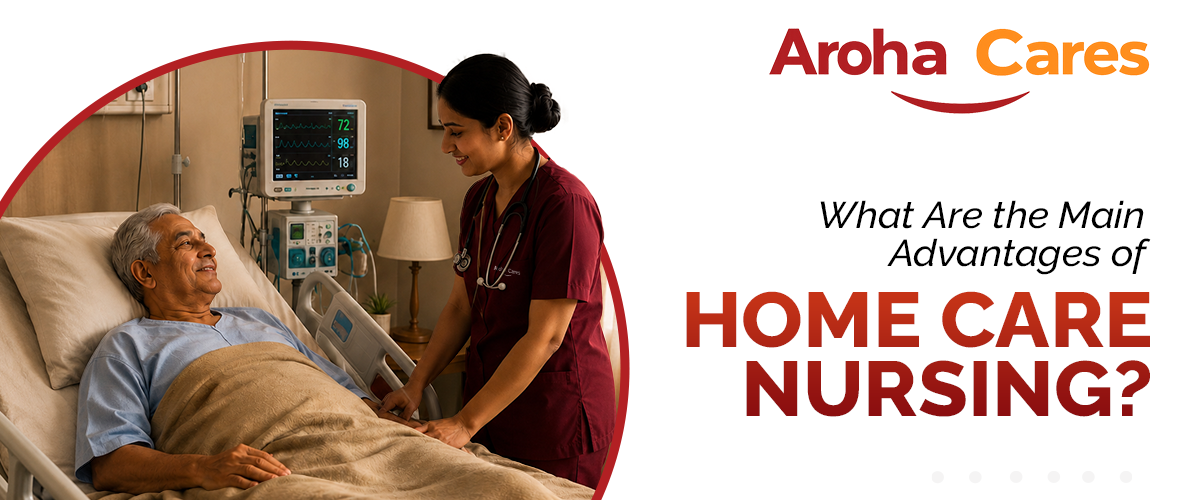
Recovering from an illness, surgery, injury or long hospital stay can be tiring for both the patient and the family. Once the patient returns home they may still need medicines, wound care, health checks and help with daily activities.
Family members may want to help but they may not always have the right training or enough time.
The advantages of home care nursing go far beyond receiving treatment at home.
A trained nurse can support recovery, keep an eye on health changes and make the patient feel safe in familiar surroundings.
This type of care can be helpful for elderly people, patients recovering from surgery, people with long term health conditions and those who have difficulty moving.
What Are the Key Advantages of Home Care Nursing for Patients and Families?
Personal Care Based on the Patient’s Needs
Every patient has different health needs. One person may need help with medicines and injections, while another may require wound dressing, tube feeding or movement support. Home nursing allows the care plan to be shaped around the patient’s actual condition.
One of the main advantages of home care nursing is that the nurse can focus closely on one patient. The nurse gets time to understand the person’s routine, comfort level, medicine schedule, food habits and health concerns. This personal attention can make the patient feel valued and respected.
The care plan can also change when the patient’s condition improves or becomes more serious. This makes home nursing more flexible and useful during different stages of recovery.
Comfort of Staying in a Familiar Place
Hospitals are important for treatment but they may not always feel comfortable. Noise, bright lights, unfamiliar people and changing routines can make some patients feel worried. Elderly patients may also feel confused when they stay away from home for a long time.
The advantages of home care nursing include receiving professional support while staying in a familiar room. Patients can sleep in their own bed, eat food they know and spend time with family members. These simple things can create a sense of calm.
A relaxed environment may also make it easier for the patient to follow the care routine. They often feel more confident when familiar people and belongings are around them.
Better Support After Surgery or Illness
Leaving the hospital does not always mean that recovery is complete. A patient may still need regular medicines, dressing changes, breathing support, injections or health monitoring. Missing even a small step can slow down recovery.
The advantages of home care nursing are especially clear during post surgery care. A trained nurse can follow the doctor’s instructions, monitor symptoms and make sure medicines are taken on time. The nurse may also guide the patient with safe movement, rest, diet and basic exercises recommended by the doctor.
If the nurse notices unusual pain, swelling, fever, breathing trouble or changes in behaviour the family can be advised to contact the doctor quickly.
Help With Important Daily Care Tasks
A home nurse can assist with many tasks that may feel difficult or stressful for family members. The exact support depends on the patient’s health condition and the doctor’s advice.
Common nursing tasks may include:
- Giving prescribed medicines and injections at the correct time
- Cleaning wounds and changing dressings safely
- Checking blood pressure, temperature, pulse or sugar levels
- Supporting feeding, bathing, grooming and toilet needs
- Helping the patient sit, stand, walk or change position
- Managing catheters, feeding tubes or other medical equipment
- Recording health changes and sharing updates with the family
This support can reduce mistakes and help the family feel more confident about the patient’s daily care.
More Support for Family Members
Caring for a sick or elderly person can become a full time duty. Family members may have jobs, children, household work and other responsibilities. They can become physically tired and emotionally stressed, even when they are doing their best.
One of the advantages of home care nursing is that families do not have to manage everything alone. A nurse can handle medical tasks while relatives focus on emotional support and spending meaningful time with the patient.
Family members can also learn the right way to move the patient, give basic care, recognise warning signs and use medical equipment. This teamwork can create a safer and more peaceful home environment.
Helps Patients Maintain Independence
Many patients do not want others to do every small task for them. They may still want to choose their meals, clothing, sleep time and daily activities. Keeping some control over everyday life can protect their dignity.
The advantages of home care nursing include encouraging patients to do what they can safely manage. A nurse may support the person while walking, eating, dressing or doing simple exercises rather than taking over completely.
Even small achievements can improve confidence. For elderly people and patients recovering from injury, this support can help them feel less dependent and more involved in their own recovery.
Home Nursing and Hospital Care at a Glance
Both hospital care and home nursing have an important role. The right choice depends on the patient’s condition and the doctor’s advice.
| Area | Home Nursing | Hospital Care |
|---|---|---|
| Environment | Familiar and comfortable surroundings | Clinical and controlled setting |
| Attention | More personal, one to one support | Nurses may manage several patients |
| Family presence | Family can remain closely involved | Visiting hours may be limited |
| Daily routine | Can follow the patient’s normal routine | Follows the hospital schedule |
| Best suited for | Recovery, elderly care and long term support | Emergencies, surgery and intensive treatment |
Patients who need emergency treatment, major procedures or constant specialist support should remain in a hospital.
Home nursing is mainly suitable when the patient is medically stable.
Saves Time and Reduces Travel
Frequent hospital visits can be difficult for weak, elderly or disabled patients. Arranging transport, waiting for appointments and moving the patient may take several hours. It can also cause pain, tiredness and stress.
The advantages of home care nursing include receiving many routine nursing services without repeated travel. Tasks such as wound dressing, medicine support, injections and basic health monitoring may be completed at home when approved by the doctor.
Hospital visits may still be needed for tests, specialist advice and urgent treatment. However, home support can reduce unnecessary travel and make the overall care routine easier.
Regular Monitoring and Emotional Support
A trained nurse can notice health changes that family members may miss. These may include changes in breathing, appetite, sleep, swelling, pain, skin colour, temperature or behaviour. Early attention can help the family seek medical advice before the problem becomes worse.
Home nurses can also provide emotional comfort. Long recovery periods may make patients feel lonely, worried or frustrated. A familiar nurse who speaks kindly, listens and encourages the patient can bring a sense of stability to the day.
Conclusion
The advantages of home care nursing include personal attention, greater comfort, regular monitoring, family guidance, safer recovery and support with everyday tasks.
It can help patients receive professional care without leaving the comfort of their homes. Choosing trusted home care nursing services is important to ensure that the nurse is trained, experienced and suitable for the patient’s needs.
Aroha Cares helps families arrange dependable nursing support at home so patients can recover with greater dignity, comfort and confidence.
