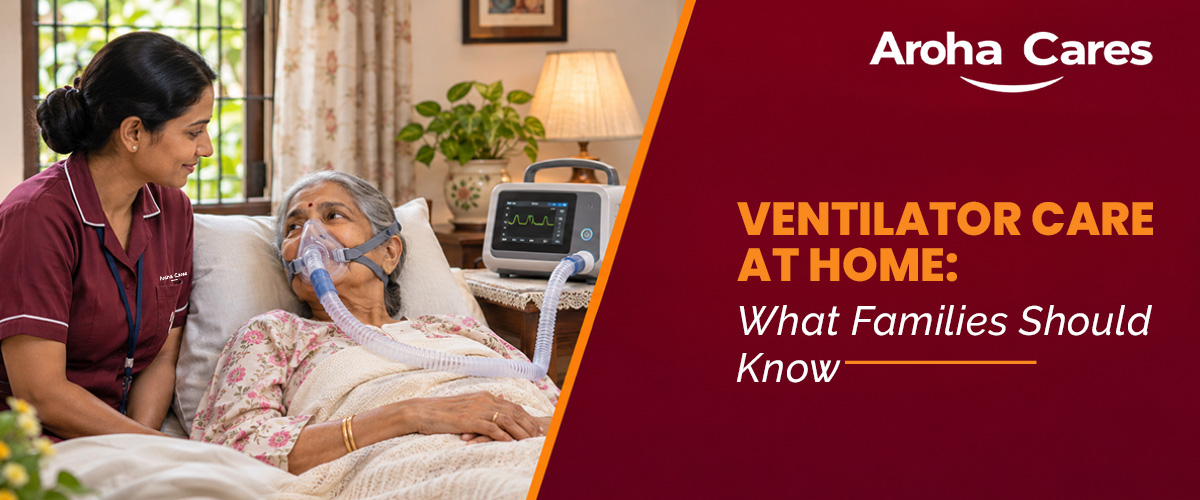
Ventilator Care at Home: What Families Should Know
A ventilator helps a person breathe when they cannot breathe well enough on their own. Some patients may still need breathing support after leaving the hospital. This is where home ventilator care may become part of the treatment plan.
Ventilator care at home needs careful planning, trained support, the right equipment and a clear emergency plan.
Families should understand the daily routine before the patient comes home.
Home ventilation is used to support breathing outside a hospital when the medical team decides it is suitable for the patient.
What Is Home Ventilator Care?
Home ventilator care means using a ventilator in the patient’s home under a medical care plan. The machine helps air move in and out of the lungs.
Some patients may need it only at night, while others may need longer support. The exact setup depends on the patient’s condition.
Ventilator care at home should only begin after the medical team decides the patient is stable enough and caregivers have been trained.
Who May Need Home Ventilator Care?
A person may need breathing support after a serious illness, a long ICU stay, a severe lung problem or a condition that affects breathing muscles.
Every patient is different. Home ventilator care is planned around the person’s breathing needs, medicines, feeding, movement and overall health.
Before starting ventilator care at home, the care team also checks the home setup, caregiver support and emergency needs. The exact plan should always come from the treating medical team.
What Equipment May Be Needed?
The equipment can be different for each patient. The medical team decides what is needed and explains how to use it.
A home setup may include:
- A ventilator with the correct settings.
- A mask or tracheostomy connection.
- Oxygen equipment if prescribed.
- A suction machine when needed.
- A pulse oximeter.
- Back up power or batteries.
- Extra tubes, masks or other supplies.
Good home ventilator care also means keeping equipment clean, ready and easy to reach. Back up power and other emergency supplies may be important for patients who depend on ventilation.
Why Trained Caregivers Matter
A ventilator is a medical device, so the person caring for the patient must know how to use it safely.
During ventilator care at home, caregivers should know how to check the machine, understand basic alarms, watch the patient and follow the care plan.
They should also know when to call the doctor or emergency services. Families should never change ventilator settings on their own unless the medical team has clearly told them to do so.
#1. Understanding Ventilator Alarms
Ventilator alarms warn caregivers that something may need attention.
An alarm may happen because of a loose tube, mask leak, blocked airway, low power or another issue. The meaning depends on the machine.
As part of home ventilator care, families should learn what the common alarms mean before the patient comes home.
During ventilator care at home, alarms should not simply be ignored. If the cause is unclear or the patient looks unwell, the family should follow the emergency plan and contact the care team.
#2. Keep a Back Up Plan Ready
Power cuts, machine problems or other unexpected events can happen. A back up plan is very important.
Families should know what to do if the main ventilator stops working. They should also know where emergency supplies are kept and whom to call.
Safe home ventilator care may include charged batteries, spare equipment, emergency contact numbers and other supplies advised by the medical team. A written plan can make it easier for every caregiver to know what to do.
#3. Watch the Patient, Not Only the Machine
The ventilator gives useful information but the patient’s condition matters just as much.
Caregivers should watch for changes in breathing, skin colour, alertness, comfort, oxygen level and other warning signs explained by the care team.
In ventilator care at home, sudden serious breathing trouble, loss of response or another major change may need urgent medical help.
Knowing the patient’s usual condition can also make it easier to notice when something looks different.
#4. Keep the Area Clean and Organised
The space around the patient should be clean, calm and easy to move around.
Tubes should not be pulled or bent. Equipment should be placed where caregivers can reach it easily. Hands should be cleaned before handling masks, tubes or other supplies.
Good home ventilator care also includes following the cleaning instructions given for the ventilator and related equipment.
A clean and organised room can make daily care easier for both the patient and family.
#5. Follow the Daily Care Plan
Patients on ventilator support may also need medicines, feeding support, suction, skin care, physiotherapy or help with movement.
Ventilator care at home works best when these tasks follow one clear routine. A written schedule can help families remember medicines, equipment checks, feeding times and follow up visits.
Simple notes about the patient’s condition can also be useful when speaking with doctors or nurses.
#6. Know When to Ask for Help
Families should not feel that they have to manage every problem alone.
If the patient has a new breathing problem, repeated alarms, unusual sleepiness, a change in oxygen level, fever or another concern, the care team should be contacted as advised.
This type of care is safer when families know their limits and ask for help early. Regular medical follow up is also important because the patient’s needs may change over time.
#7. Support the Patient Emotionally
Living with a ventilator can be a big change. The machine, tubes, sounds and daily routine may take time to get used to.
Calm support can help. Speak to the patient, include them in simple choices when possible and keep familiar activities in the day.
Home based breathing support should focus on comfort and dignity along with medical safety. A familiar home setting may also help some patients feel more relaxed during long term care.
Conclusion
Bringing a ventilator dependent patient home needs careful planning.
Families should understand the equipment, alarms, cleaning, daily care, warning signs and emergency steps.
Good home ventilator care is built around training, regular medical support and a clear plan for unexpected problems.
If you, your family and your relatives need an ICU setup at home in Gurgaon, Aroha Cares can support home based critical care planning according to the patient’s medical needs.
Safe ventilator care at home should always follow the doctor’s advice and be supported by trained professionals who understand the patient’s care plan.
