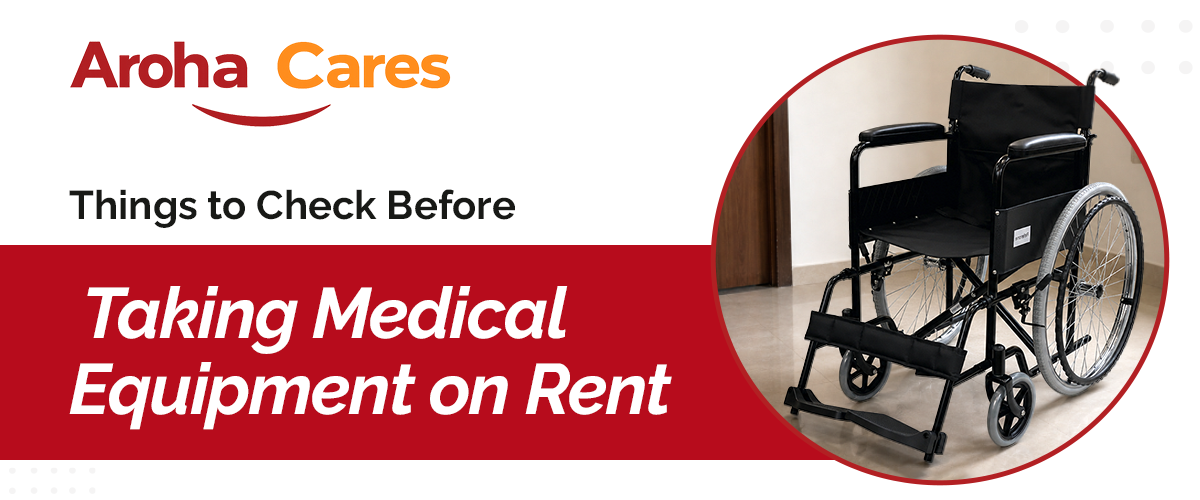
Things to Check Before Taking Medical Equipment on Rent
Bringing medical equipment home can make recovery easier, safer and more comfortable. It may be needed after surgery, during a long illness, for elderly care or while managing a health condition at home. Renting also makes sense when an item is required only for a few days or weeks.
Choosing Medical equipment on rent should never be a rushed decision. A low price may look tempting but safety, quality, service and correct use matter much more. The right equipment can reduce stress for both the patient and family.
Although a poor quality machine may create new problems. Check the following points carefully before signing an agreement.
What Should You Check Before Choosing Medical Equipment on Rent?
Understand What the Patient Needs
First, find out exactly which equipment the patient requires. Do not select a device simply because a friend or relative used it.
Every patient has different health needs, comfort levels and physical conditions. Even wheelchairs, hospital beds, oxygen concentrators and BiPAP machines come in different models and sizes.
Speak with the doctor, nurse or physiotherapist before choosing Medical equipment on rent. Ask about the correct capacity, features, size and expected period of use.
Also check whether the equipment will need extra accessories. Early advice can prevent discomfort, extra costs, delays and safety problems later.
1.Less Stress Helps Faster Healing
Stress can slow down recovery. Hospitals often feel noisy and uncomfortable. Patients may struggle with sleep, emotional anxiety or loneliness during long stays. The atmosphere feels relaxed. Patients feel emotionally supported by family members and familiar surroundings.
Honestly, even small comforts make a difference during recovery. Watching television peacefully, talking to loved ones or simply resting without hospital noise can improve mental wellbeing.
That is one major reason why people choose a home ICU in Gurgaon after surgery.
2.Check the Equipment’s Condition
Used equipment should not mean damaged or poorly maintained equipment. Look closely before accepting it.
Check for cracks, loose wires, broken buttons, rust, unusual sounds, missing parts, weak batteries or warning lights.
For hospital beds and wheelchairs, inspect the wheels, brakes, locks, side rails, handles and moving sections.
When choosing Medical equipment on rent, ask the provider to switch on the device and demonstrate every feature.
Do not accept a machine that gives errors or looks unsafe. A small fault can quickly become a serious issue when a patient depends on the device every day.
It is better to speak up before delivery is completed.
3. Ask About Cleaning and Sanitisation
Medical devices must be cleaned and sanitised properly before they reach another patient. This is especially important for masks, tubes, mattresses, suction jars, humidifier bottles, cushions and parts that may touch the skin or body.
Ask the provider how each item is cleaned and whether a proper hygiene process is followed. Some parts should be replaced instead of reused.
When choosing Medical equipment on rent, confirm whether fresh disposable items are included in the package. A machine may look clean from the outside but still need internal cleaning.
Do not feel awkward asking questions because hygiene directly affects the patient’s health.
4. Confirm the Brand and Service History
Not every machine offers the same quality, performance or safety. A trusted brand may provide better safety features, clearer instructions and easier access to spare parts.
Older devices may break down more often or work less smoothly than newer models. Write down the brand, model, serial number and manufacturing year. Ask when the machine was last inspected, repaired or serviced.
You can also request a maintenance record if available. This information makes it easier to report a problem and helps you understand whether the equipment has been cared for properly. A well maintained older device may still be safer than a newer one that has been handled badly.
5. Understand the Total Rental Cost
The advertised rental price may not include everything. A provider may charge separately for delivery, installation, security deposit, pickup, servicing, maintenance or disposable supplies. A low monthly rent can suddenly become expensive once all these extra costs are added.
Ask for a written price breakdown before taking Medical equipment on rent. Check whether the payment is calculated daily, weekly or monthly. Also ask about early returns, late payments, rental extensions, minimum rental periods and deposit refunds.
Find out whether taxes are included in the quoted amount. Clear pricing keeps unpleasant surprises away and helps the family plan its medical expenses better.
6. Read the Rental Agreement Carefully
The agreement should clearly explain the rental period, payment rules, deposit amount, damage charges, repair responsibility and return process. Read every part carefully, even when the document looks long or difficult. Never sign a blank form or depend only on spoken promises.
The agreement for Medical equipment on rent should mention who will pay if the machine stops working. It should also explain the difference between normal wear and damage caused by misuse.
Check the cancellation policy as well. Keep the agreement, bill, delivery note, payment proof and any messages exchanged with the provider until the equipment is returned and the deposit is received.
7. Ask for Installation and Training
Some devices are simple to use, while others need careful setup and proper understanding. Oxygen machines, patient monitors, breathing devices, suction machines and electric hospital beds must be installed correctly.
A wrong setting, loose connection or blocked tube may put the patient at risk.
The provider should explain how to operate, clean, switch off, restart and safely store the device. When receiving Medical equipment on rent, ask for a live demonstration instead of only reading the manual.
Make sure at least two family members understand the basic steps. Record the demonstration on your phone with permission, so you can check it again if you forget something later.
8. Confirm Repair and Replacement Support
Any machine can develop a fault, even when it was working properly during delivery. Ask whether the provider offers home repair and how quickly a technician can visit. Also check whether a replacement will be arranged if the device cannot be repaired immediately.
For essential Medical equipment on rent, quick support is extremely important. Ask whether help is available at night, on weekends and during public holidays.
Save more than one contact number in case the main line is busy. When a patient relies on a machine for breathing, movement or monitoring, delayed service can create fear, discomfort and unnecessary health risks.
9. Check the Available Space
Measure the patient's room, doors, lift, staircase and entrance before delivery. Large hospital beds or heavy machines may not fit through narrow spaces.
Make sure the device can be placed close to the patient without blocking doors, cupboards or walking areas.
There should also be enough space for nurses, caregivers and family members to move around safely.
For example, a hospital bed may require extra room on both sides so the patient can be turned, cleaned or helped comfortably.
The room should also have proper ventilation, lighting and a clean surface for keeping related supplies.
10. Check Power and Backup Requirements
Some medical devices need a continuous and stable power supply. Ask whether the machine requires a special socket, voltage stabiliser, inverter, battery or power backup.
This becomes very important in areas where electricity cuts are frequent. Ask the provider what to do if the electricity goes out or the machine suddenly switches off. Check how long the backup battery lasts and whether it is fully charged during delivery.
Keep wires away from water, children, pets and walking paths. Loose cables can cause falls, electric shocks or damage to expensive equipment.
11. Inspect Everything During Delivery
Do not let the delivery person leave before checking the complete equipment. Match every item and accessory with the written order.
Test the machine again and make sure all promised parts, wires, chargers, masks, remote controls or support items are included.
Take clear photos or a short video of any old scratches, marks, dents or damaged areas. This simple step can protect you from unfair damage charges later.
Note the delivery date, equipment condition and meter reading if the device has one.
Ask the provider or delivery person to sign the condition report before leaving.
Conclusion
Renting medical equipment can be practical when the need is temporary, the budget is limited, or home care is more comfortable for the patient. Still, families should never choose a provider based solely on the lowest price. Safety, hygiene, proper training, fast repair support, and clear rental terms should always come first.
Trusted medical equipment rental services can make the entire process smoother and less stressful for families.
Aroha Cares helps families arrange suitable medical devices with proper guidance, timely delivery, and dependable support, allowing patients to continue their care at home with greater safety, comfort, and confidence.
Frequently Asked Questions
1. What are the things to check before taking medical equipment on rent?
The blog provides detailed information on the things to check before taking medical equipment on rent, including quality, safety, maintenance, cost, and support services for a hassle-free experience.
2. Why is renting medical equipment important?
Renting medical equipment can be practical when the need is temporary, the budget is limited, or home care is more comfortable for the patient. It allows families to have access to necessary medical devices with proper guidance, timely delivery, and dependable support.
3. What are the key points to consider when renting medical equipment?
The blog provides detailed information on the key points to consider when renting medical equipment, including understanding the equipment's capabilities, checking the equipment's history, understanding the total rental cost, reading the rental agreement carefully, asking for installation and training, confirming repair and replacement support, checking the available space, checking power and backup requirements, and inspecting everything during delivery.
4. How can I get more information about renting medical equipment?
To get more information about renting medical equipment, you can visit the website of trusted medical equipment rental services or consult with us via whatsapp.
