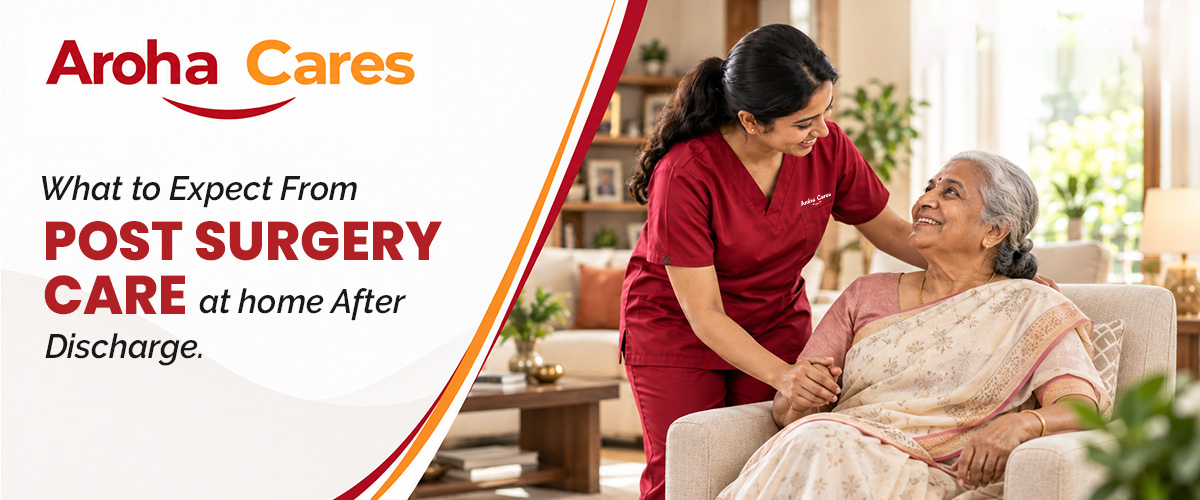
What to Expect From Post-Surgery Care at Home After Discharge
Coming home after surgery can feel like a big relief. The hospital stay is over, but recovery is still continuing. Many patients may need help with medicines, wound care, food, movement, bathing, and basic daily tasks during the first few days or weeks.
Post-surgery care at home can make this period easier by giving the patient support in a familiar place. The type of care needed depends on the surgery, the patient’s age, overall health, and the doctor’s instructions. Knowing what to expect can help families feel more prepared.
How Post-Surgery Care at Home Supports a Smooth Recovery
1. Help With Medicines and Daily Routine
After surgery, patients are often given medicines for pain, infection prevention, or other health needs. Taking the right medicine at the right time is important.
With post-surgery care at home, a trained caregiver or nurse can help follow the medicine schedule as advised by the doctor. They may also remind the patient about meals, rest, and follow-up instructions.
A clear routine can make recovery feel less confusing and reduce the chances of missed medicines.
2. Wound Care and Basic Monitoring
Some patients return home with stitches, dressings, or a healing wound that needs regular attention. Keeping the area clean and watching for unusual changes is important.
Post-surgery care at home may include support with dressing changes, wound cleaning, and basic health checks, depending on the care plan and medical advice.
Families should also know common warning signs such as increasing redness, swelling, unusual discharge, fever, or worsening pain. If any of these appear, the doctor should be informed.
3. Support With Walking and Movement
Movement can be difficult after surgery. A patient may feel weak, tired, or afraid of falling.
Post-surgery care at home can include help with getting out of bed, walking to the washroom, changing position, or using mobility aids. Safe movement can make daily life easier while the body slowly regains strength.
Patients should not rush. The amount of movement should follow the doctor’s or physiotherapist’s advice.
4. Help With Personal Care
Simple tasks such as bathing, dressing, brushing hair, or using the washroom may feel difficult after an operation.
A caregiver can help with these activities while respecting the patient’s privacy and comfort. This is especially useful for older adults, people with limited movement, or patients recovering from major surgery.
Good personal care also helps the patient feel fresh, clean, and more comfortable during recovery.
5. Proper Food and Hydration
The body needs enough nutrition and fluids while healing. Some patients may have a low appetite after surgery, while others may have special food instructions.
Post-surgery care at home can help families follow the diet suggested by the doctor. Light meals, enough fluids, and regular eating times may support recovery.
If the patient has trouble swallowing, feels sick after eating, or has been given a special diet, the family should follow the medical team’s advice closely.
6. Rest and Sleep Support
Recovery is not a race. The body needs time to heal, and proper rest is a big part of that process.
Post-surgery care at home can help create a simple routine with enough sleep, short walks, medicines, meals, and rest periods.
Family members sometimes encourage patients to do too much too soon. It is better to increase activity slowly and follow medical advice rather than pushing for a quick return to normal.
7. Help With Follow-Up Appointments
Follow-up visits are an important part of recovery. The doctor may check the wound, remove stitches, review medicines, or decide when the patient can return to normal activities.
A caregiver can help families keep track of appointment dates, questions, and changes in the patient’s condition.
Keeping a simple note of pain levels, appetite, sleep, movement, and any new symptoms can also make it easier to update the doctor.
8. Emotional Support During Recovery
Physical healing is only one part of recovery. Some patients may feel low, frustrated, worried, or dependent after surgery.
Post-surgery care at home can offer regular company and reassurance during this time. Even simple conversation can make a person feel less alone.
Family members can also help by being patient and celebrating small progress. Recovery may have good days and slow days, and that is normal.
When Should You Call the Doctor?
Some symptoms should not be ignored. Contact the medical team if the patient develops:
- High fever or chills.
- Increasing pain that does not improve.
- Heavy bleeding.
- Unusual wound discharge.
- Severe swelling or redness.
- Shortness of breath.
- Chest pain.
- Sudden confusion or weakness.
- Repeated vomiting.
- Any symptom the doctor has asked you to watch for.
If symptoms are severe or sudden, emergency medical help may be needed.
Conclusion
Post-surgery care at home can make the move from hospital to home more comfortable and organised. Support with medicines, wound care, movement, meals, personal hygiene, follow-up visits, rest, and emotional well-being can help the patient recover with less stress.
For families looking for reliable after-surgery home care , Aroha Cares can provide support based on the patient’s daily needs and recovery plan.
The right help at home can make it easier for families to stay involved while giving the patient the comfort, attention, and routine they need during recovery.
