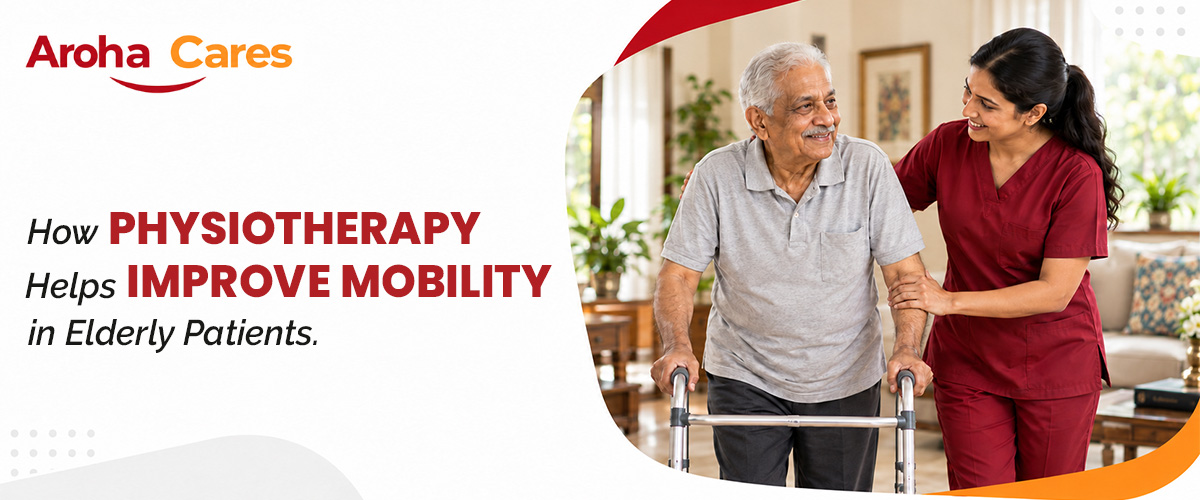
How Physiotherapy Helps Improve Mobility in Elderly Patients
As people grow older, simple movements can slowly become harder. Walking across a room, getting up from a chair, climbing stairs or standing for too long may start to feel tiring. This is where physiotherapy can make a real difference.
The benefits of physiotherapy go far beyond exercise. It can help older adults improve strength, move with more confidence and stay independent for longer. At the same time, physiotherapy for elderly patients can be planned around their age, comfort, health and daily needs.
Why Mobility Often Reduces With Age
Ageing affects the body in many ways. Muscles can become weaker, joints may feel stiff and balance may not be as steady as before. Some people also move less because they are worried about falling or hurting themselves.
Over the time, less movement can make the body even weaker.
This is one reason physiotherapy for elderly people can be useful. It focuses on safe movement and gradual progress instead of pushing the body too hard.
The benefits of physiotherapy may become noticeable when an older person starts finding it easier to walk, stand, turn or move around the house.
How Physiotherapy Can Help Elderly People Move Better
Builds Strength for Daily Activities
Strong muscles are needed for many everyday tasks.
Getting out of bed, standing from a chair, carrying something light or walking to another room all require muscle strength. When the legs, hips or back become weak these tasks can feel much harder.
A physiotherapist may suggest simple exercises based on the person's ability.
Along with regular physiotherapy for elderly patients, strength can slowly improve without putting too much pressure on the body.
One of the main benefits of physiotherapy is that the exercises can be linked to real daily movements rather than being done without a clear purpose.
Helps Improve Balance
Balance can become a concern with age, especially for people who have already experienced a fall.
Weak legs, poor posture, joint problems and slower reactions may all affect stability. A physiotherapist can work on these areas through controlled exercises.
Some common exercises may include:
- Standing with support and slowly improving balance.
- Practising safe turns and changes in direction.
- Strengthening the legs and core.
- Walking short distances with better posture.
- Learning safer ways to sit and stand.
The benefits of physiotherapy can be important here because better balance may help a person feel more secure while moving around.
Makes Walking More Comfortable
Walking plays a big role in staying independent.
Some elderly people start taking smaller steps or walking more slowly. Others may avoid walking because of pain, weakness or fear of falling.
This is where physiotherapy for elderly patients may help improve walking patterns, posture, strength and confidence.
A therapist may also guide the person on using a walking stick or walker correctly if one is required.
The aim is not always to walk faster. Sometimes being able to walk more safely and comfortably is the bigger achievement.
That is another practical example of the benefits of physiotherapy in everyday life.
Reduces Joint Stiffness
Stiff joints can make even small movements uncomfortable.
This is especially common after sitting or lying down for a long time. Gentle stretching and controlled movement may help improve flexibility and reduce stiffness.
During physiotherapy for elderly patients, exercises are usually chosen according to what the person can comfortably manage.
Even a small improvement can help. Being able to bend the knees more easily or move the shoulders better may make dressing, bathing and walking less difficult.
Supports Recovery After Illness or Surgery
Older adults may lose strength after surgery, illness or a long hospital stay.
Even a short period of being less active can affect the muscles. Returning to normal movement may then take some time.
Physiotherapy for elderly patients can help rebuild this strength step by step.
A therapist can slowly increase movement based on how the person responds. The benefits of physiotherapy during recovery may include better mobility, stronger muscles and more confidence with daily tasks.
Trying to do too much too quickly is rarely the best approach. Slow and steady progress often works better.
Helps Manage Pain While Moving
Pain can make people afraid to move.
The problem is that avoiding movement completely may lead to more weakness and stiffness.
Physiotherapy for elderly people can include gentle exercises, posture correction, stretching and simple changes in the way daily movements are performed.
The goal is not to force the body through pain.
Instead, movement is introduced within a comfortable range.
The benefits of physiotherapy may become clearer when a person starts moving with less fear and finds certain daily activities easier to manage.
Supports Greater Independence
For many elderly people, independence matters a lot.
Being able to reach the bathroom, walk around the home, change clothes or stand without constant help can make a big difference to everyday life.
Physiotherapy for elderly patients is often planned around these personal goals.
A therapist may first understand which movements are causing difficulty and then build a simple routine around them.
This practical approach is one of the benefits of physiotherapy, as it keeps treatment connected to the person's real needs.
Builds Confidence After a Fall
Sometimes the biggest problem is not weakness. It is fear.
After a fall, an older person may become nervous about walking alone. They may stop using stairs or avoid going outside even after the injury has improved.
Regular physiotherapy for elderly patients can help rebuild confidence slowly.
Standing for a little longer, walking a few extra steps or getting up from a chair without help may seem like small wins but they can mean a lot.
The benefits of physiotherapy are therefore not only physical. Better confidence may also encourage an older adult to stay involved in normal daily life.
Small Steps Can Make a Big Difference
Improving mobility usually takes time. There is no need to rush.
What matters more is having a safe routine and following it regularly.
A few simple habits can support progress:
- Follow exercises recommended by the physiotherapist.
- Stay active within a comfortable limit.
- Rest when the body feels tired.
- Use walking support correctly when advised.
- Keep floors and walking areas free from objects that may cause falls.
With regular physiotherapy for elderly patients these small steps may gradually make everyday movement easier.
Conclusion
Mobility affects almost every part of an elderly person's life. When walking, standing, turning or getting up becomes difficult the right support can help them stay active for longer.
The benefits of physiotherapy can include better strength, balance, flexibility, confidence and support during recovery.
A planned approach can also help older adults work towards daily activities at a pace that feels safe and manageable.
If you and someone from your family or relatives are looking for physiotherapy services at home, Aroha Cares can provide professional support focused on comfort, safety, independence and better movement for elderly patients.
