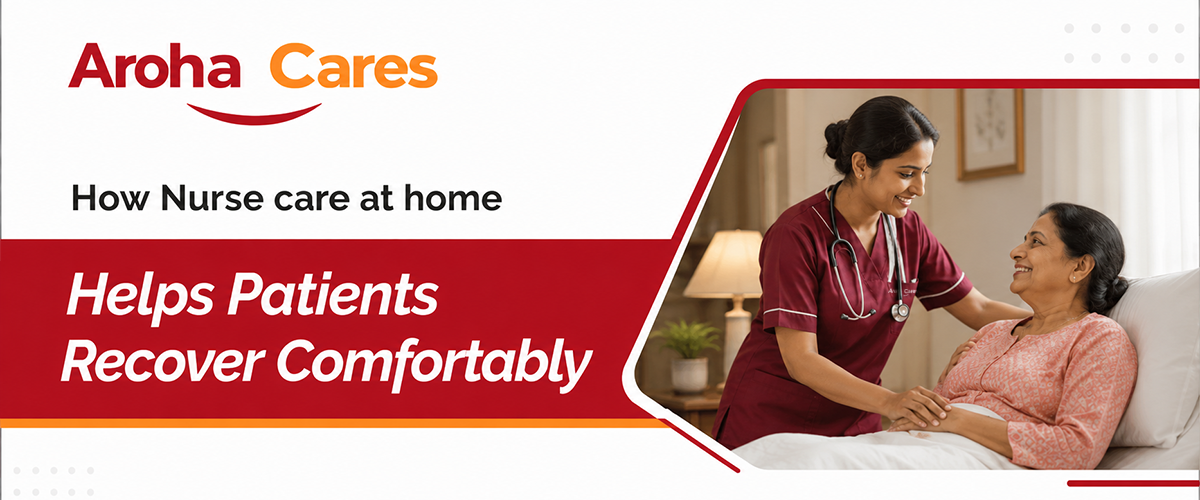
How Nurse Care at Home Helps Patients Recover Comfortably
Recovering from illness, injury or surgery can take time. Patients may need help with medicines, wound care, movement, meals and regular health checks. Families want to help but they may not have medical training or enough time.
Nurse care at home brings trained support into the patient’s own space. It allows the patient to rest near loved ones, follow the doctor’s advice and avoid repeated hospital visits. Home feels familiar, calm and private.
This comfort can lower stress and make recovery easier for the patient and the family. It also gives everyone a clear routine to follow each day.
How Home Nursing Care Helps Patients Heal Safely and Comfortably
1. Gives Regular Medical Support
After leaving the hospital, a patient may still need close care. Medicines must be taken on time, wounds must stay clean and health changes must be noticed early. Nurse care at home helps manage these needs in an organised way.
A trained nurse can:
- Give medicines as advised by the doctor.
- Check temperature, blood pressure, pulse and oxygen levels.
- Clean wounds and change dressings safely.
- Help with injections, tubes or catheters when needed.
- Watch for infection, weakness or unusual pain.
- Share important updates with the family and doctor.
2. Makes Recovery More Comfortable
Hospitals are important but a long stay can feel tiring. There may be noise, fixed routines and little privacy. At home the patient can sleep in their own bed and stay close to family. Nurse care at home makes this comfort possible without ignoring medical needs.
Home recovery can feel easier because:
- The patient stays in a familiar place.
- Family members can remain nearby.
- Meals and rest follow a comfortable routine.
- The patient gets more privacy.
- Travel to the hospital is reduced.
- Emotional stress may feel easier to manage.
A calm home does not replace treatment but it can help the patient feel safe and relaxed.
3. Helps Follow the Treatment Plan
Doctors often give several instructions after surgery or during a long illness. These may include medicine timings, food limits, exercises, wound care and follow up visits.
With Nurse care at home the treatment plan becomes easier to follow. The nurse tracks daily tasks and reminds the patient about important instructions. The nurse can also explain simple care steps to family members. This creates a clear routine and reduces confusion.
4. Supports Safe Movement and Hygiene
Weakness, pain or poor balance can make daily activities difficult. Getting out of bed, using the washroom, bathing or walking may carry a risk of falling.
Nurse care at home gives safe and respectful support during these tasks. The nurse can help the patient change position, sit up, walk carefully and maintain personal hygiene. When needed the nurse may work with a physiotherapist. This helps the patient stay active without putting too much pressure on the body.
5. Provides Personal Attention
In a busy hospital, one nurse may care for many patients. At home, care can be more focused. The nurse can understand the patient’s routine, comfort needs and progress.
Nurse care at home also makes small changes easier to notice. A patient may eat less, sleep poorly, feel more pain or become unusually tired. These details can be shared with the doctor or family. Personal attention helps the patient feel heard and less lonely during recovery.
6. Supports Different Patient Needs
Home nursing can support older adults, people recovering after surgery, patients with long term conditions and people using medical equipment.
| Patient Need | Support at Home |
|---|---|
| Recovery after surgery | Wound care, medicines and health checks |
| Elderly care | Help with movement, hygiene, meals and routine |
| Long term illness | Regular monitoring and symptom updates |
| Bedridden patient | Position changes, skin care and hygiene |
| Medical equipment | Support with oxygen, tubes or catheters |
The level of care depends on the patient’s condition and the doctor’s advice. A proper assessment helps the family choose suitable support.
7. Reduces Pressure on Family Caregivers
Caring for an unwell person can be physically and emotionally tiring. Family members may lose sleep, miss work or worry about making a mistake.
With Nurse care at home, families do not have to manage everything alone. The nurse handles clinical tasks while relatives continue giving emotional support. Family members can also learn safe ways to help with meals, movement and comfort. Sharing responsibility makes the home calmer and can prevent caregivers from becoming too tired.
8. Helps Notice Problems Early
Recovery does not always move in a straight line. A patient may suddenly develop fever, swelling, confusion, breathing trouble, low oxygen or more pain. Early attention matters.
Regular nursing support helps unusual signs get noticed quickly. The nurse can contact the doctor and guide the family about the next step. This does not replace emergency treatment. However, quick action can stop a small concern from becoming more serious.
Conclusion
A comfortable recovery needs more than medicines. It needs regular care, patience, emotional support and close attention to small changes.
Nurse care at home brings these needs together in a familiar place where the patient can rest, heal and stay close to family.
It also lowers pressure on caregivers and helps them feel more confident about daily medical tasks. Families searching for the best home nursing services should choose trained support based on the patient’s health needs.
Aroha Cares helps families arrange dependable nursing assistance so patients can receive professional care with greater comfort, kindness and personal attention throughout every stage of recovery.
