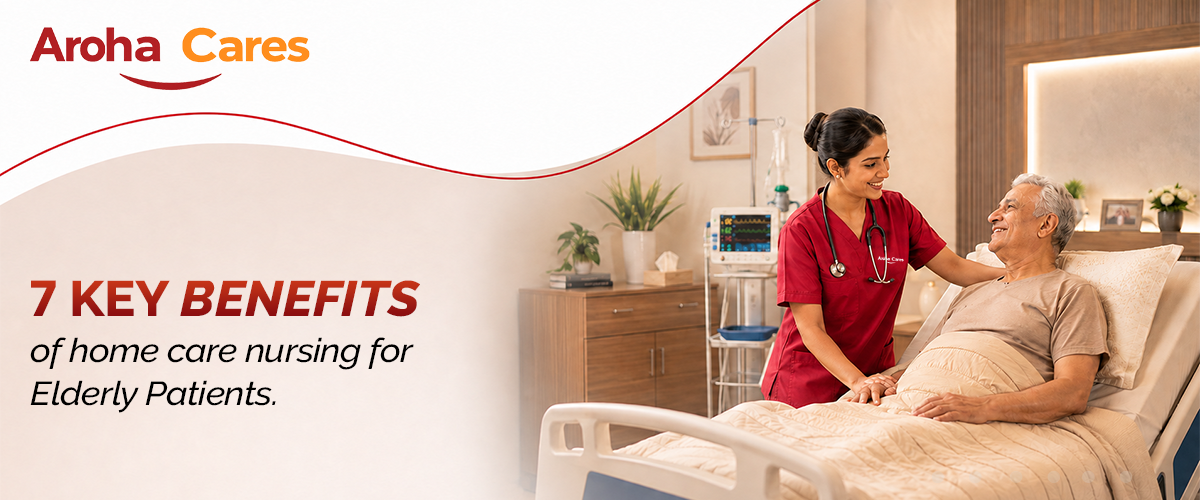
7 Key Benefits of Home Care Nursing for Elderly Patients
Growing older often brings new health needs. Some elderly people may need help with medicines, movement, personal care, regular health checks or recovery after a hospital stay. In many cases, getting this support at home feels easier and more comfortable than staying in a hospital for a long time. The benefits of home care nursing go beyond medical help. It can also give elderly patients comfort, attention, safety and emotional support while they stay close to their family.
Here are seven important ways home nursing can make daily life easier for elderly patients.7 Benefits of Home Care Nursing for Elderly Patients
1. Elderly Patients Stay in a Familiar Place
Home is often the most comfortable place for an elderly person. They know their room, their surroundings, their routine, and the people around them. This familiar setting can help them feel calm and relaxed.
One of the main benefits of home care nursing is that patients can receive professional care without leaving the comfort of their own home. They do not have to adjust to a new room, hospital noise, or an unfamiliar daily routine.
Being at home can also make simple things easier. Patients can eat familiar food, sleep in their own bed, and spend time with family members whenever they want.
For many elderly people, these small comforts matter a lot.
2. Patients Get More Personal Attention
Hospitals and care centres usually have many patients at the same time. Nurses need to divide their attention between different people.
Home nursing is different. The caregiver or nurse can focus more closely on one patient and their daily needs.
This personal attention is another important part of the benefits of home care nursing. The nurse can understand the patient's routine, health needs, likes, dislikes, and comfort level.
For example, an elderly patient may need extra time while walking or eating. Another person may need regular reminders for medicines. Home nursing allows care to be adjusted according to the individual instead of following the same routine for everyone.
That can make the patient feel more respected and cared for.
3. Medicines Can Be Managed More Carefully
Many elderly people take more than one medicine every day. Remembering the right medicine, correct dose, and proper time can sometimes become difficult.
A trained nurse can help keep the medicine routine organised.
Among the benefits of home care nursing, proper medicine support can be especially useful for families who worry about missed or repeated doses. The nurse can follow the doctor's instructions, remind the patient about medicines, and keep an eye on any changes that may need medical attention.
This also takes some pressure off family members.
Instead of constantly asking, "Did you take your medicine?", families can feel more confident that the daily routine is being followed carefully.
4. It Can Support Recovery After Hospital Treatment
Coming home after surgery, illness, or a long hospital stay can feel good, but recovery may still take time.
An elderly patient may need help with wound care, medicines, movement, hygiene, or regular health checks during this period.
One of the useful benefits of home care nursing is that professional support can continue even after the patient leaves the hospital. This can make the move from hospital to home smoother.
The nurse can help the patient follow the recovery plan given by the doctor. They can also support daily activities while the patient slowly becomes stronger.
For elderly patients, having someone nearby during recovery can make the process feel less tiring and confusing.
5. Family Members Get Extra Support
Caring for an elderly family member can be rewarding, but it can also become tiring. Family members may have work, children, household duties, and other responsibilities.
They may want to provide full-time care but simply cannot be available every hour of the day.
The benefits of home care nursing also extend to the patient's family. A trained nurse can handle many daily care needs while family members continue with their own routine.
This does not mean the family becomes less involved. In fact, it may give them more time to simply sit, talk, and enjoy being with their loved one instead of always focusing on care tasks.
A little support can make a big difference for everyone in the house.
6. Daily Health Changes Can Be Noticed Early
Elderly patients may experience small health changes that are easy to miss. These could include changes in appetite, sleep, movement, blood pressure, energy levels, or general behaviour.
A nurse who spends regular time with the patient may notice these changes sooner.
This is one of the practical benefits of home care nursing for elderly people who need ongoing support. The nurse can observe the patient's condition and inform the family or doctor when something seems unusual.
Early attention can help families respond faster instead of waiting until a small problem becomes more serious.
Regular observation also gives families a clearer idea of how the patient is doing from day to day.
7. It Helps Maintain Independence and Dignity
Most elderly people want to remain independent for as long as possible. They may need help, but they still want to make their own choices and follow their usual routine.
Home nursing can support this balance.
One of the most meaningful benefits of home care nursing is that patients can receive help without losing control over their everyday life. They may still decide when they want to eat, rest, meet family members, or spend time doing activities they enjoy.
A nurse can assist with tasks that have become difficult while encouraging the patient to do what they can on their own.
This can help elderly people feel confident, respected, and involved in their own care.
How to Choose the Right Home Nursing Support
Choosing home nursing care should be done carefully. Families should look beyond price and understand the type of support their loved one actually needs.
It helps to check a few basic things:
- Make sure the nurse or caregiver has suitable training and experience.
- Explain the elderly person's health condition and daily routine clearly.
- Ask what type of care can be provided at home.
- Check whether the service can match the required hours or schedule.
- Discuss medicines, mobility needs, meals, hygiene, and other daily support.
- Keep communication open between the family, nurse, and doctor.
- Review the care plan when the patient's condition changes.
The right support should make life easier for both the elderly patient and the family.
Conclusion
Home nursing can make elderly care more comfortable, personal, and manageable. It allows patients to stay close to family while receiving help with all they require during their care.
Families looking for the best home nursing services should choose support that respects the patient's comfort, independence, and changing needs.
Aroha Cares can help families arrange professional home nursing support so elderly loved ones can receive attentive care while continuing to live in familiar surroundings.
